
Ubud
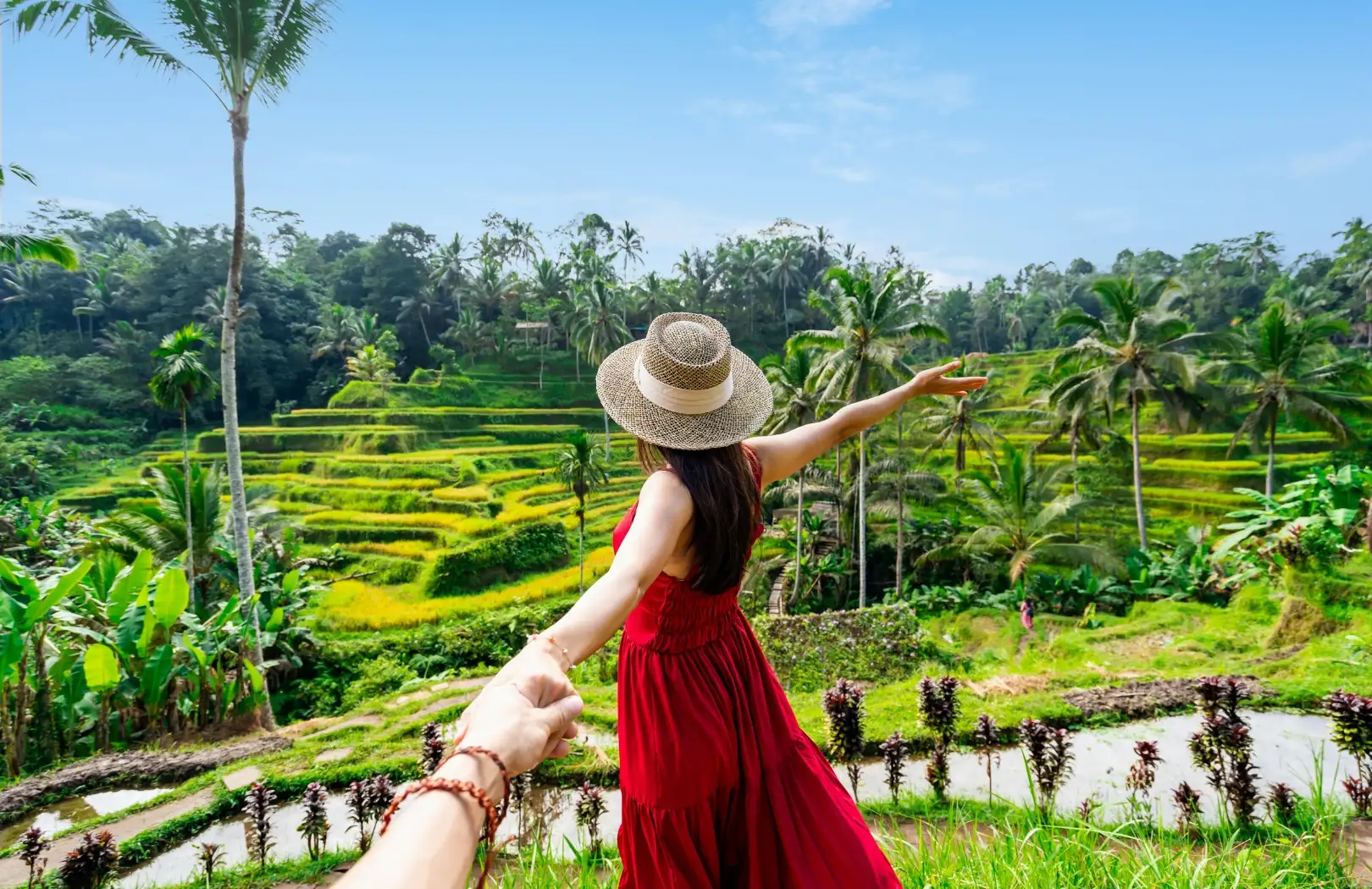
For many first-time visitors, Ubud feels like the cultural heart of Bali. While the island is often known for its beaches, sunsets, beach clubs, and tropical resorts, Ubud offers a deeper and more meaningful side of the destination. Surrounded by rice terraces, river valleys, ancient temples, traditional villages, art galleries, waterfalls, and wellness retreats, Ubud is where travelers come to experience Bali beyond the coastline.
Located in the central part of the island, Ubud has long been known as Bali’s center of art, spirituality, and local tradition. It is a place where Balinese dance performances still take place in palace courtyards, artisans continue to create wood carvings and paintings, and daily temple rituals remain part of everyday life. At the same time, Ubud has grown into one of the most loved destinations for international travelers seeking yoga, nature, healthy food, creative workshops, and authentic local experiences.
What makes Ubud special is the way it blends beauty, culture, and calmness. You can start your morning walking through emerald rice fields, visit a sacred temple before lunch, explore a traditional market in the afternoon, and end the day watching a Balinese dance performance under the night sky. Whether you are a culture lover, nature seeker, photographer, foodie, or slow traveler, Ubud offers something memorable for every type of visitor.
Why Ubud Is One of the Best Places to Visit in Bali
Ubud is not just a destination; it is an atmosphere. Compared to the busy beach areas in South Bali, Ubud feels more peaceful, artistic, and connected to nature. The pace is slower, but there are still plenty of things to see and do. This makes Ubud ideal for travelers who want to understand Bali’s traditions, enjoy scenic landscapes, and experience the island in a more soulful way.
Unlike areas that focus mainly on nightlife or shopping, Ubud gives visitors access to Bali’s cultural identity. The temples, dance performances, craft villages, and spiritual sites around Ubud offer a meaningful introduction to the island’s heritage. For many travelers, this is where Bali starts to feel more personal.
Ubud is also a strategic base for exploring central Bali. From here, travelers can visit rice terraces, waterfalls, coffee plantations, temples, adventure parks, traditional villages, and scenic viewpoints. It is also close to activities such as ATV riding, white water rafting, cycling, cooking classes, yoga, and wellness experiences.
Best Things to Do in Ubud
Explore the Tegalalang Rice Terrace
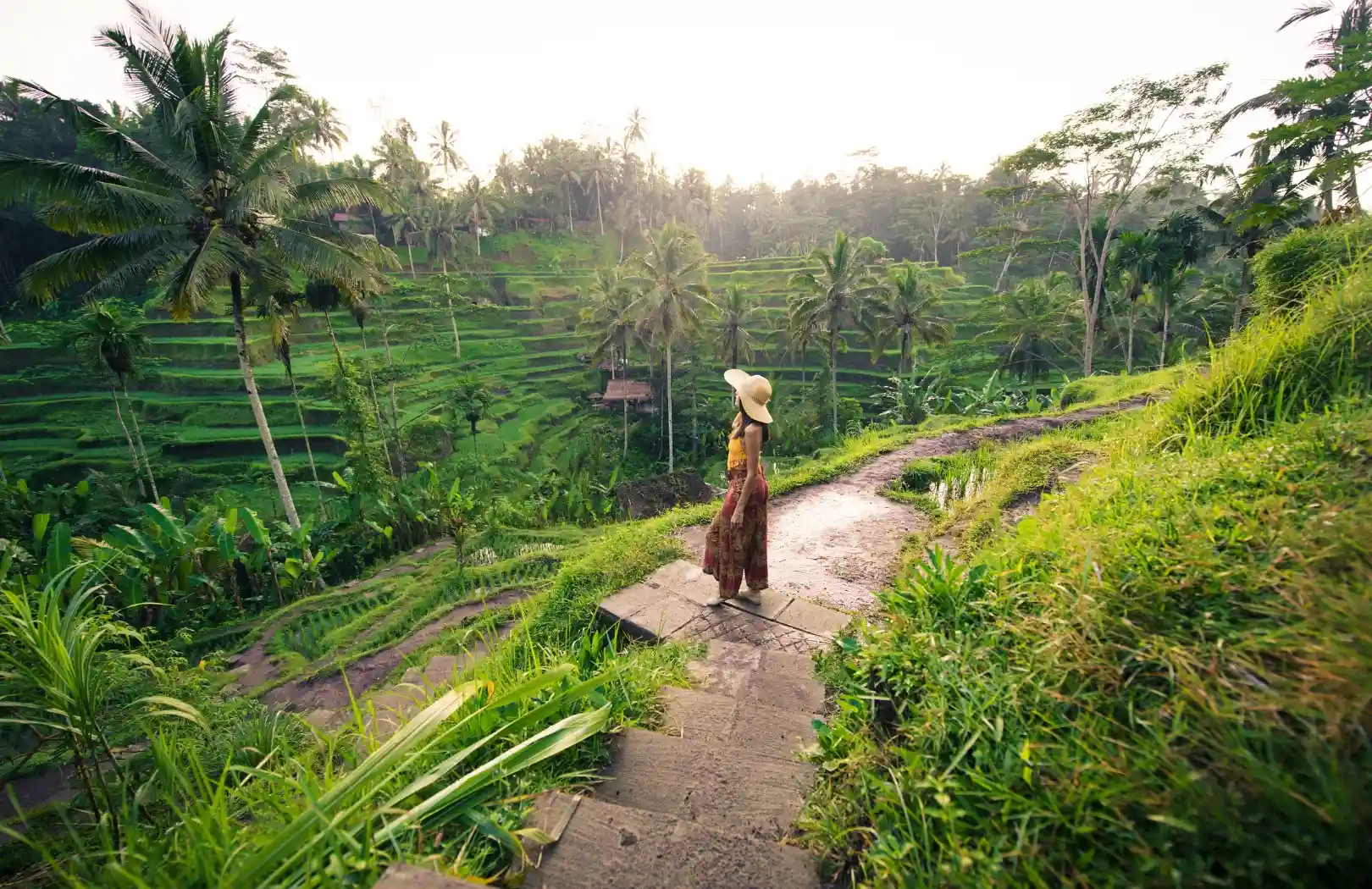
One of the most iconic landscapes near Ubud is the Tegalalang Rice Terrace. Famous for its layered green fields and dramatic valley views, this area is one of the best places to see Bali’s traditional rice farming scenery.
The terraces are especially beautiful in the morning when the air is cooler and the light is softer. Visitors can walk along the narrow paths, take photos from different viewpoints, or simply enjoy the peaceful atmosphere. Some areas also offer swings and photo spots overlooking the rice fields.
Beyond the beautiful scenery, Tegalalang gives travelers a glimpse of Bali’s agricultural heritage. Rice farming is deeply connected to Balinese life, and the traditional irrigation system reflects the island’s harmony between people, nature, and spirituality.
Visit Ubud Monkey Forest
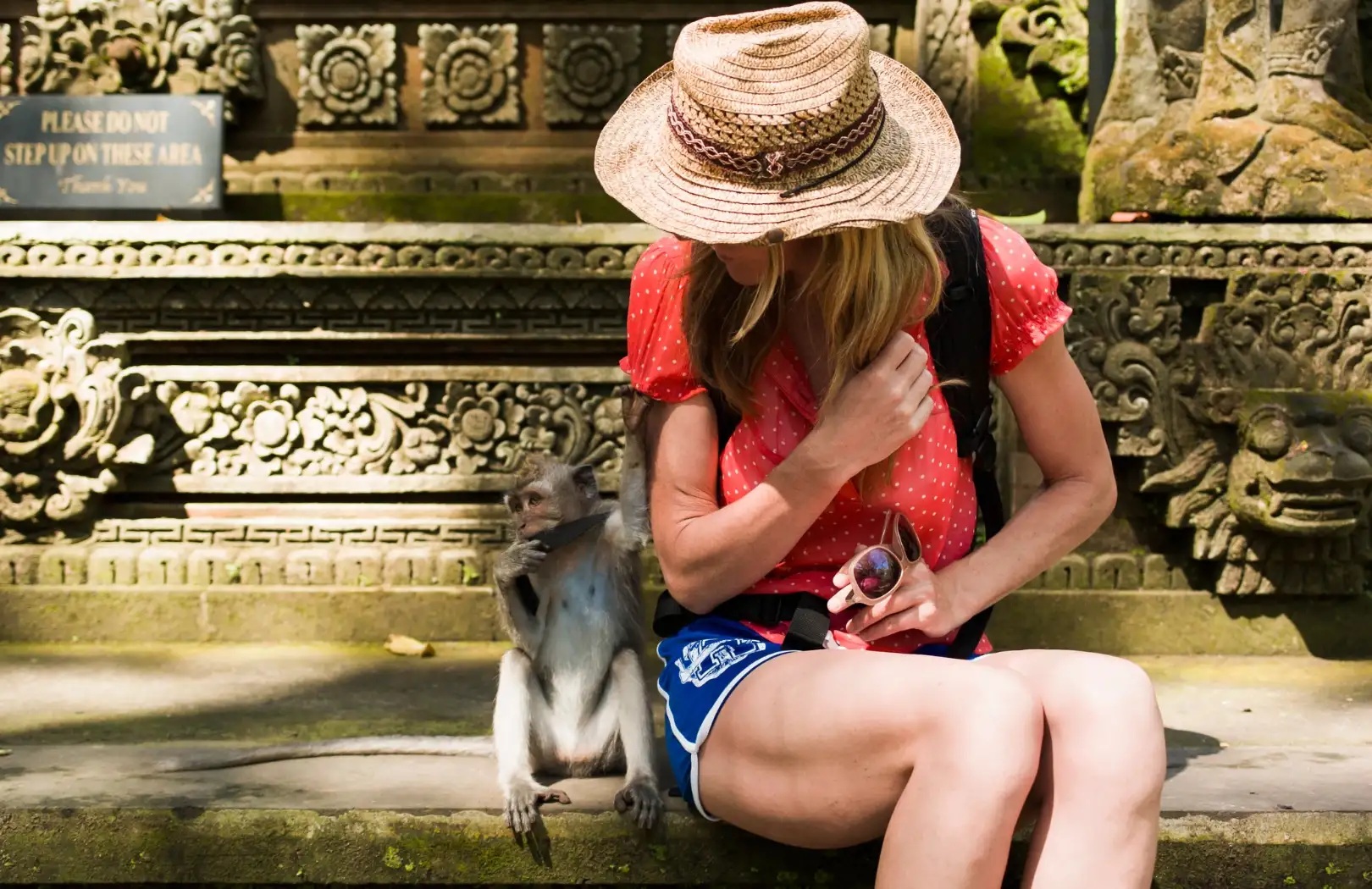
Ubud Monkey Forest is one of the most popular attractions in the area. This sacred forest sanctuary is home to hundreds of long-tailed macaques and several ancient temple structures surrounded by large trees, stone pathways, and tropical greenery.
The experience is both fun and atmospheric. While the monkeys are the main attraction, the forest itself is beautiful and mysterious. Moss-covered statues, shaded walkways, and traditional temple architecture create a setting that feels deeply connected to nature.
Visitors should be careful and respectful while exploring. The monkeys are used to humans, but they are still wild animals. Avoid carrying loose food, keep sunglasses and small items secure, and follow the instructions from the staff.
Discover Ubud Palace
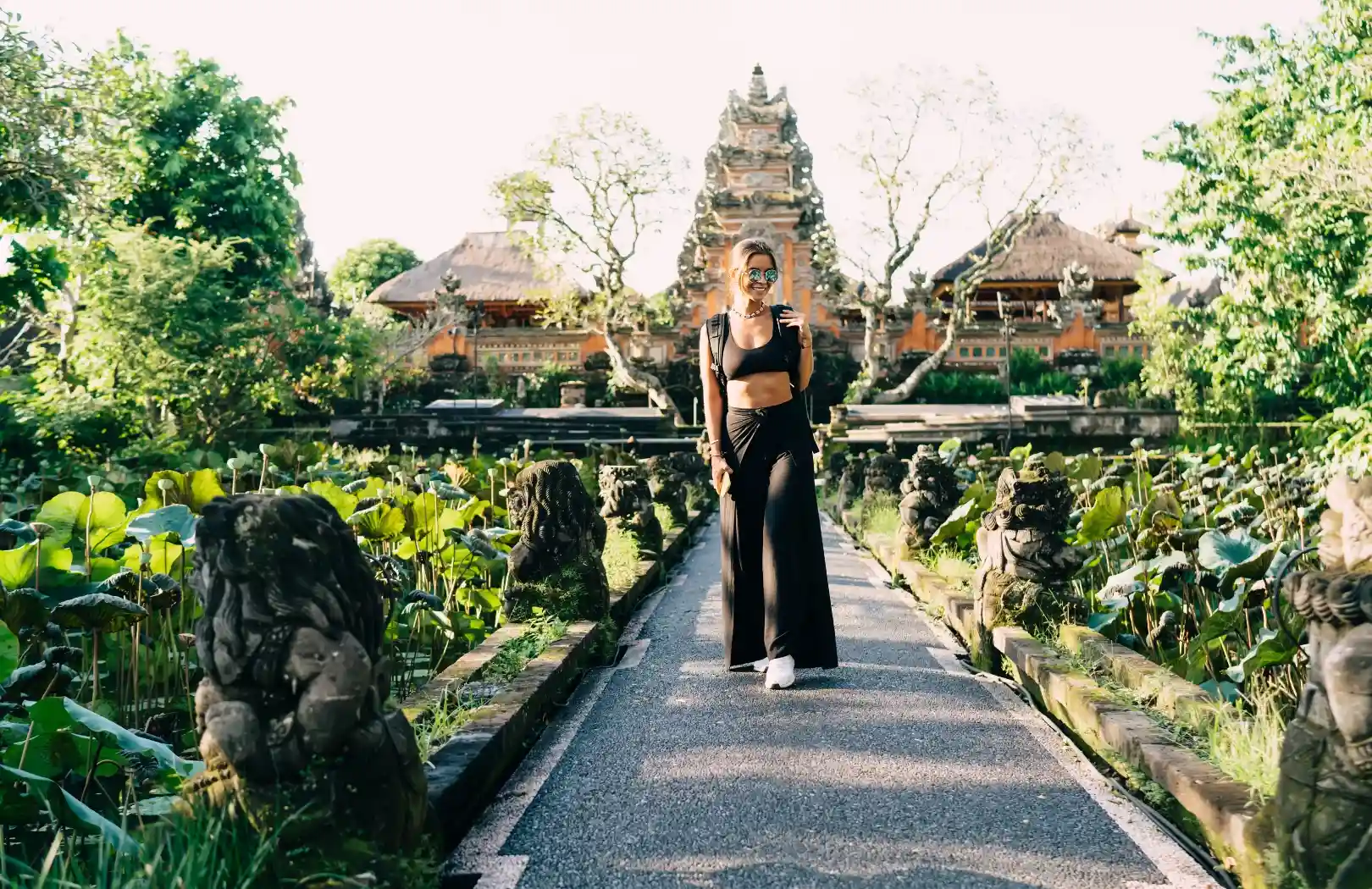
Located in the center of town, Ubud Palace is a cultural landmark and a reminder of Ubud’s royal heritage. The palace features traditional Balinese architecture, carved stone gates, decorated courtyards, and detailed ornaments that reflect the artistic identity of the region.
During the day, visitors can explore parts of the palace area and take photos of the beautiful architecture. In the evening, the palace often becomes a venue for traditional dance performances. Watching Balinese dance in this setting is one of the most memorable cultural experiences in Ubud.
Shop at Ubud Art Market
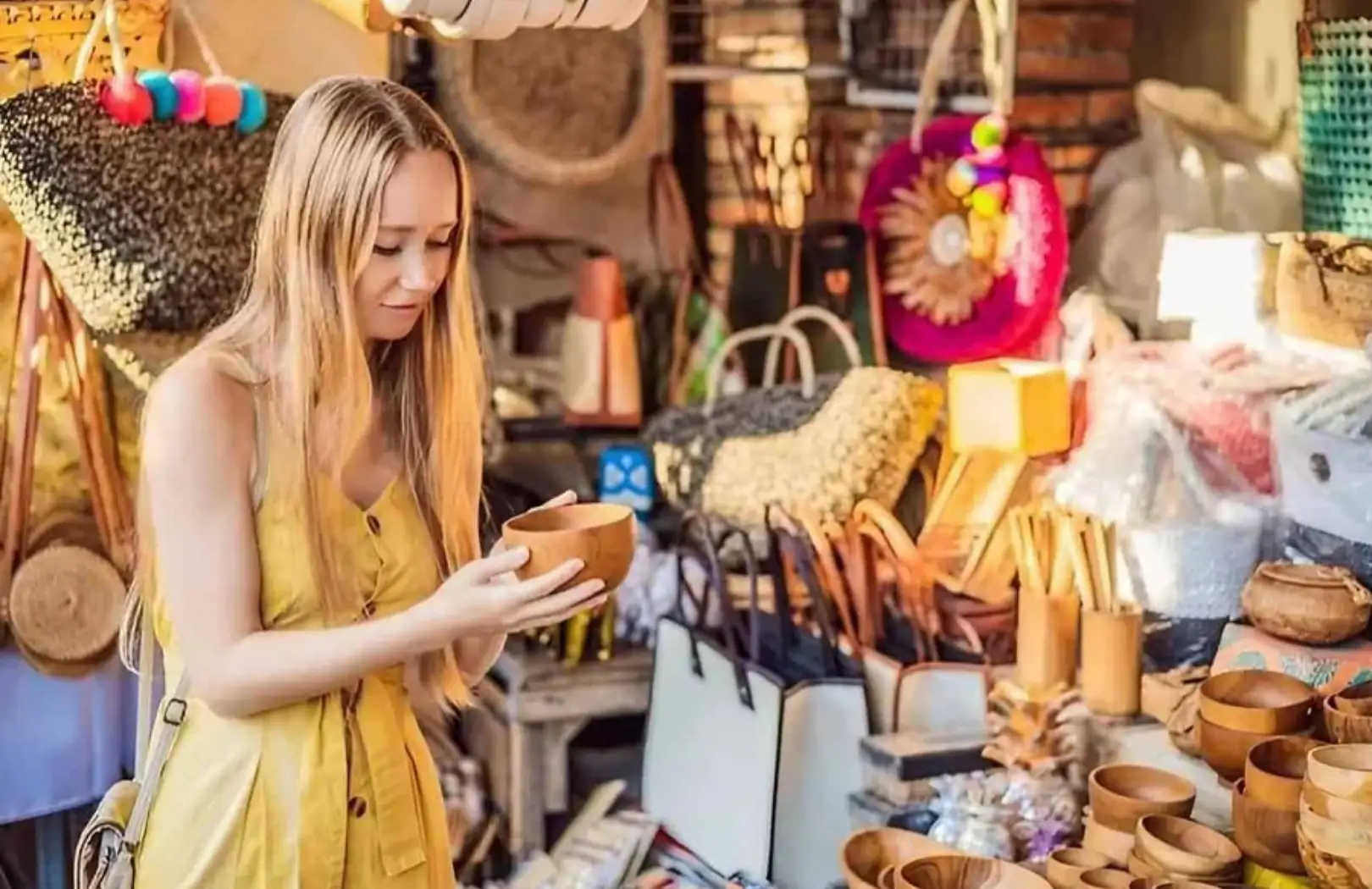
Ubud Art Market is a great place to explore local crafts, textiles, souvenirs, bags, home décor, and handmade items. It is located near Ubud Palace, making it easy to visit both places in one trip.
The market is colorful and lively, with vendors selling everything from woven baskets and sarongs to paintings and wooden crafts. Bargaining is part of the experience, but it should be done politely and with a smile. For travelers who want to bring home something more meaningful than a standard souvenir, the market is a good place to browse.
Morning is usually the best time to visit because the market is less crowded and the atmosphere feels more local.
Sacred Temples Around Ubud
Ubud and its surrounding villages are home to many beautiful temples. These sacred places are not only visually impressive but also important parts of Balinese religious life.
One of the most famous temples near Ubud is Tirta Empul, known for its holy spring water purification ritual. Visitors can observe the ritual or participate respectfully by following the proper process and dress code. The experience can feel deeply meaningful, especially for travelers interested in Balinese spirituality.
Another beautiful site is Goa Gajah, also known as the Elephant Cave. This archaeological site features a carved cave entrance, bathing pools, stone relics, and peaceful garden areas. It is a fascinating place for visitors interested in history and ancient Balinese culture.
When visiting temples in Bali, respectful clothing is important. Sarongs are usually required, and visitors should follow local rules at all times.
Waterfalls Near Ubud
Tegenungan Waterfall
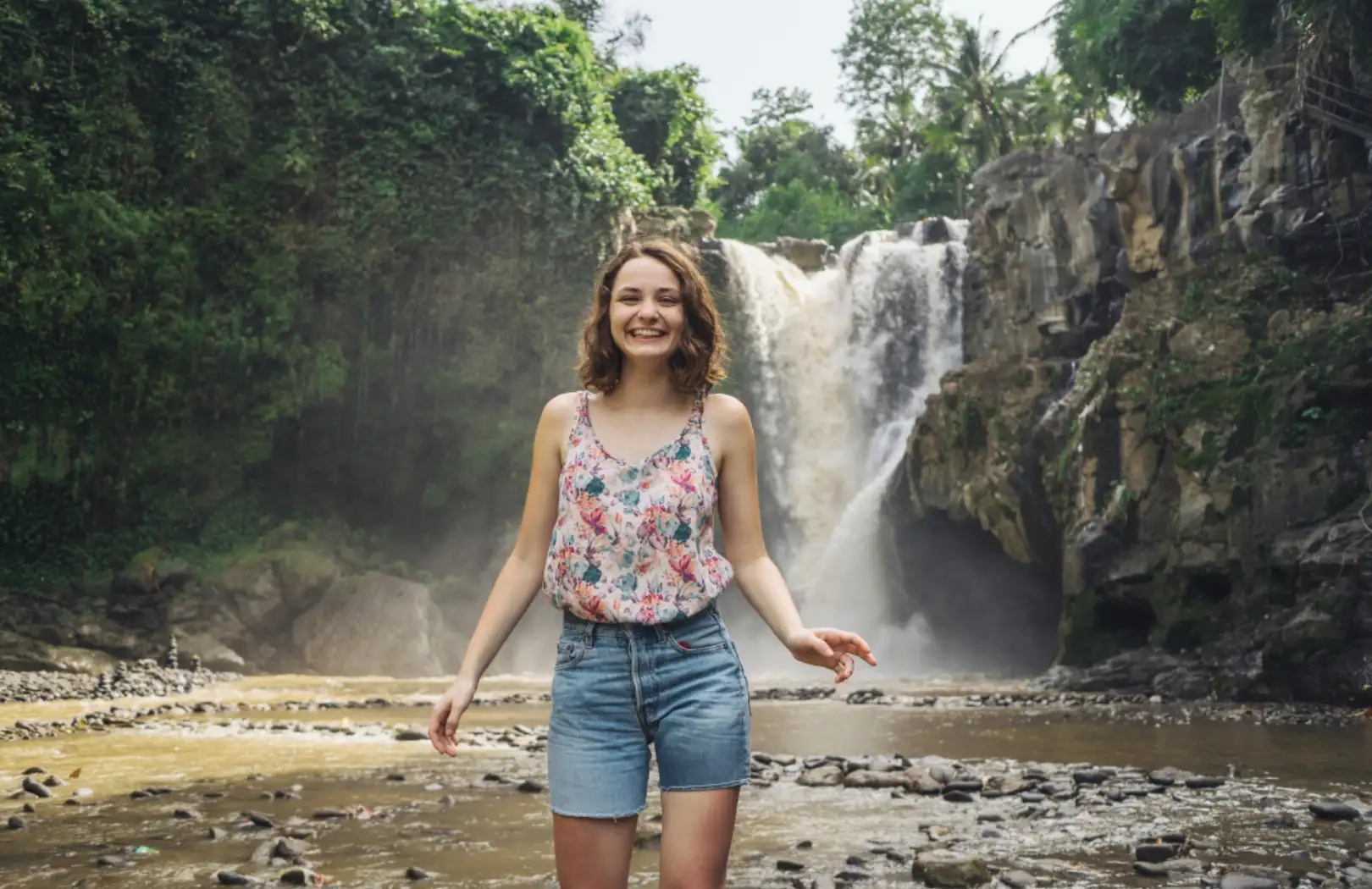
Tegenungan Waterfall is one of the most accessible waterfalls near Ubud. It is popular because of its strong water flow, scenic surroundings, and relatively easy access compared to more remote waterfalls in Bali.
Visitors can enjoy the view from above, walk down to the base, take photos, or simply relax near the water. The area can get busy during the day, so arriving earlier is recommended for a better experience.
Kanto Lampo Waterfall
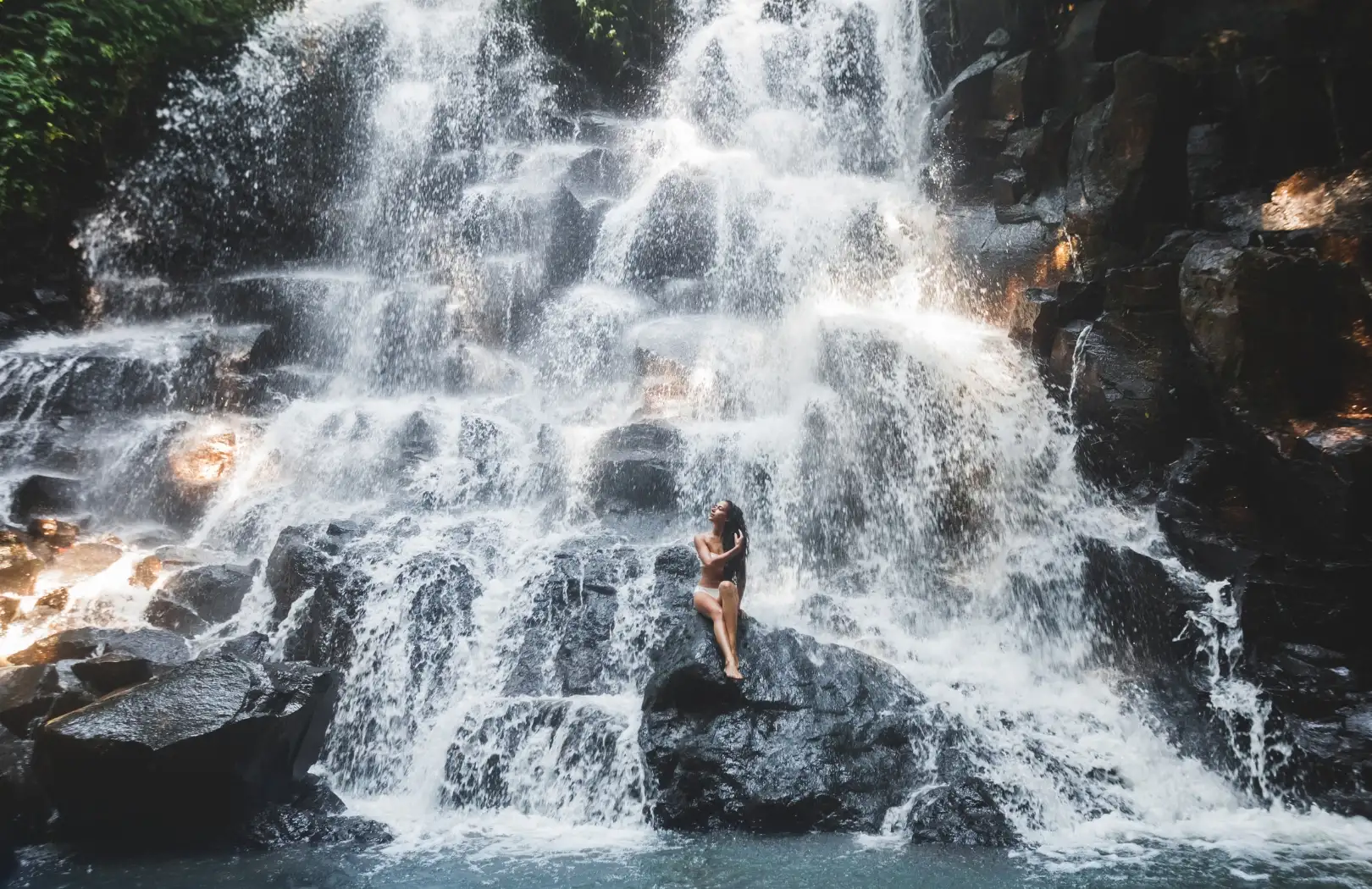
Kanto Lampo Waterfall is known for its water flowing over layered rock formations. It is a great place for photography because visitors can stand on the rocks while the waterfall cascades behind them.
The atmosphere is more intimate than some larger waterfalls, although it has become increasingly popular. Water shoes or sandals with good grip are helpful because the rocks can be slippery.
Tibumana Waterfall
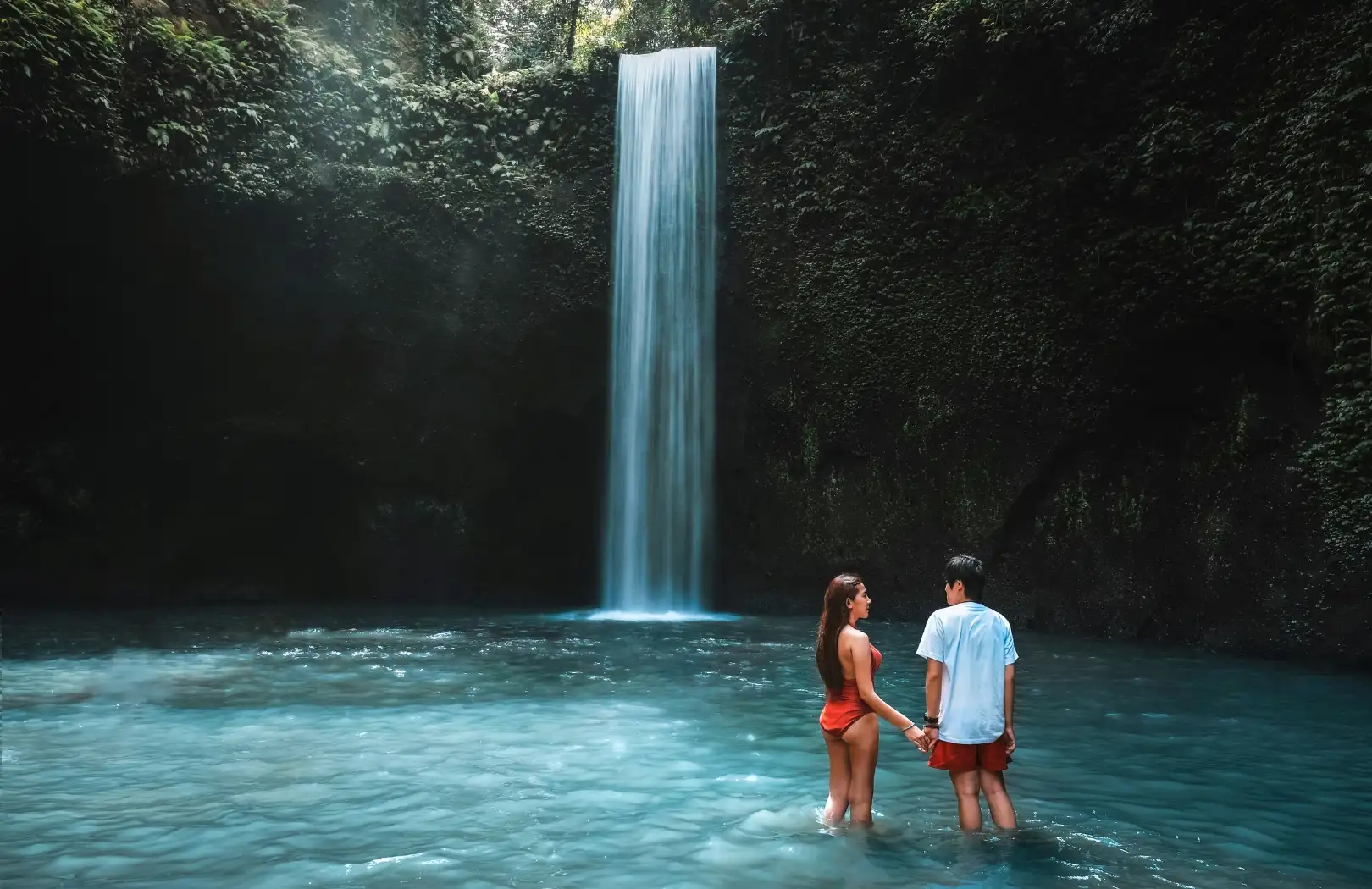
For travelers looking for a calmer waterfall experience, Tibumana Waterfall is a lovely choice. Surrounded by greenery, it offers a peaceful setting and a simple natural pool at the base.
The walk to the waterfall is pleasant, with tropical plants and quiet village scenery along the way. It is a good option for those who want a slower and more relaxing nature stop.
Art, Culture, and Creative Experiences
Traditional Dance Performances
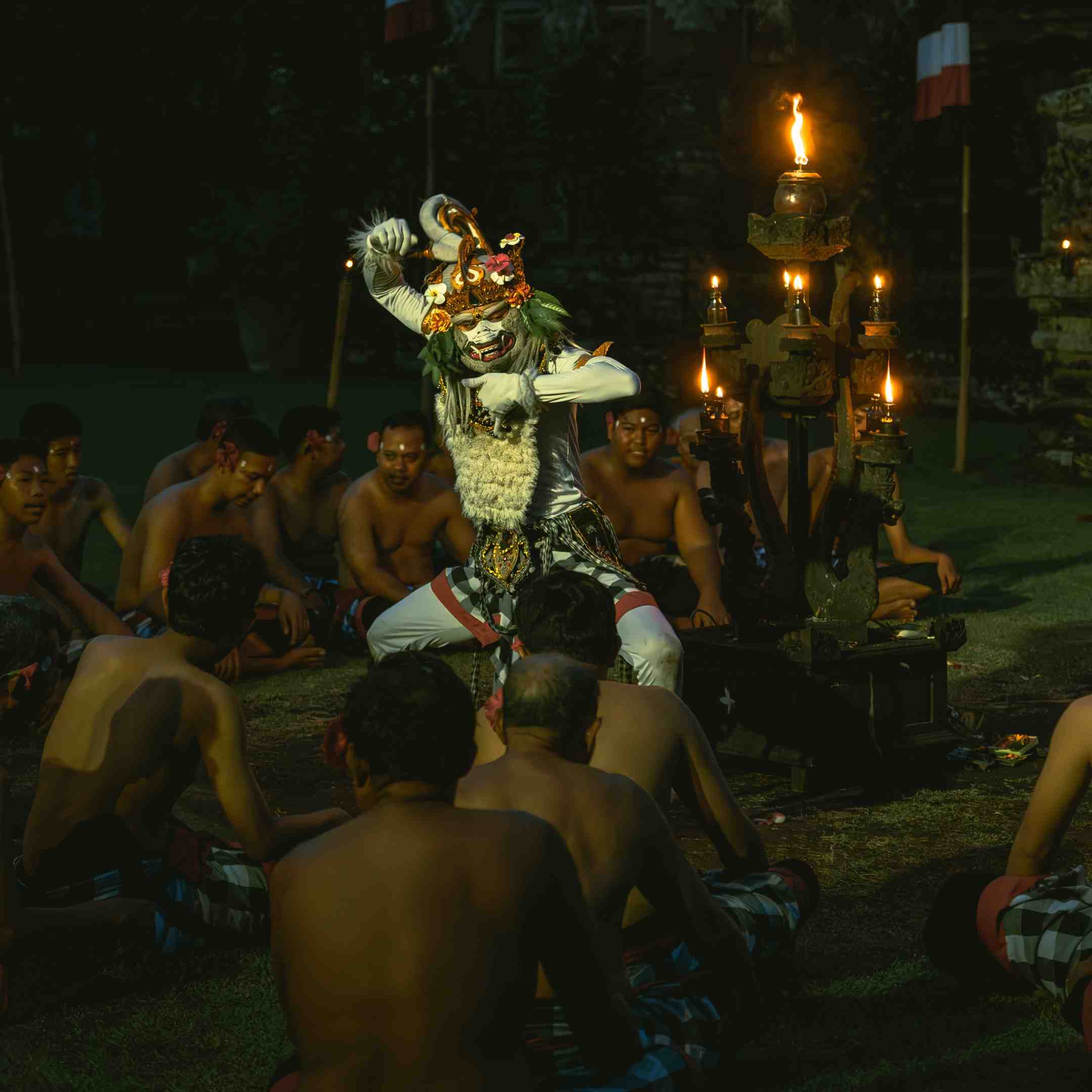
Ubud is one of the best places in Bali to watch traditional dance. Performances often include Legong Dance, Barong Dance, and other classical Balinese styles. These shows combine expressive movement, detailed costumes, gamelan music, and stories from mythology or royal tradition.
Watching a dance performance in Ubud is not only entertainment; it is a cultural experience. Every gesture, eye movement, and costume detail has meaning. For first-time visitors, it is one of the easiest ways to connect with Balinese performing arts.
Art Galleries and Museums
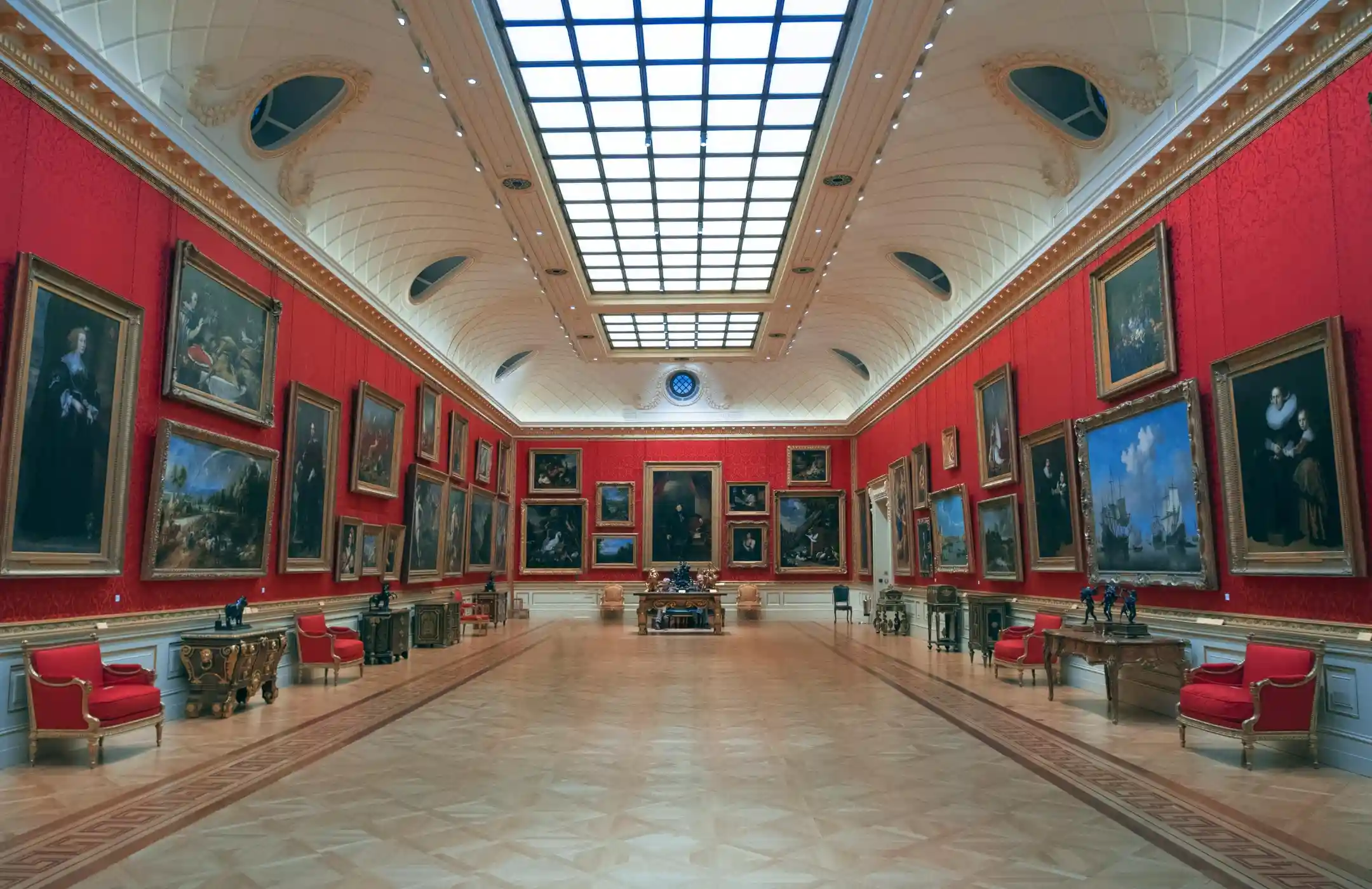
Ubud has a long history as a center for painting and visual arts. Several museums and galleries showcase traditional and modern Balinese works, as well as pieces by international artists who were inspired by the island.
Exploring Ubud’s art scene gives visitors a better understanding of how creativity is woven into daily life here. From village workshops to curated galleries, art is everywhere in Ubud.
Craft Villages Near Ubud
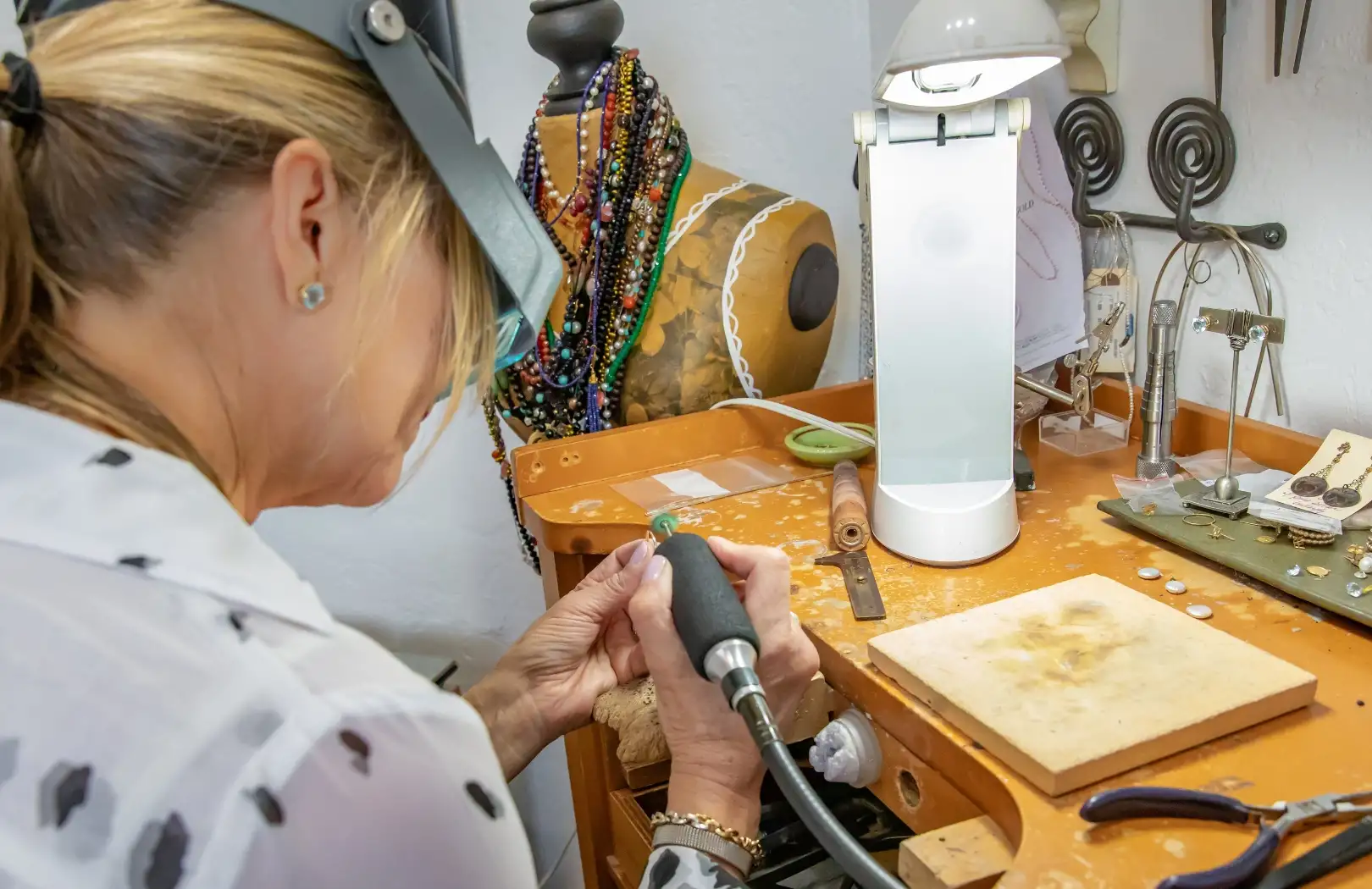
The areas around Ubud are known for traditional craftsmanship. Celuk is famous for silver jewelry, Mas is known for wood carving, and Batubulan is associated with stone carving and cultural performances.
Visiting these villages is a good way to see artisans at work and learn about skills passed down through generations. It also gives travelers a chance to support local makers directly.
Adventure and Nature Activities in Ubud
ATV Riding

For travelers who want something more active, ATV riding near Ubud is a great way to explore Bali’s natural side. Many ATV tracks pass through jungle paths, muddy trails, rice fields, rivers, tunnels, and local villages.
This activity is suitable for beginners because professional guides provide safety instructions and equipment. It is especially popular with couples, families, and groups looking for a fun outdoor experience.
White Water Rafting

Ubud is also one of the best areas in Bali for white water rafting, especially along the Ayung River. The river route offers a mix of gentle rapids, jungle scenery, cliff carvings, waterfalls, and peaceful stretches of water.
Rafting is a great option for travelers who want adventure without extreme difficulty. Most tours include equipment, guides, and safety briefings, making it accessible even for first-time visitors.
Cycling Through Villages

Cycling tours around Ubud are perfect for visitors who want to experience the countryside at a slower pace. Routes often pass rice fields, temples, traditional homes, and small villages.
This activity allows travelers to see local life beyond the main tourist streets. It is also a great way to enjoy the fresh air and scenic landscapes of central Bali.
Food and Café Culture in Ubud
Ubud has become one of Bali’s best areas for food lovers. The town offers everything from traditional warungs to stylish cafés, plant-based restaurants, fine dining venues, and healthy brunch spots.
Travelers can try Balinese dishes such as nasi campur, satay, grilled fish, lawar, and local vegetable dishes. At the same time, Ubud is also known for smoothie bowls, organic salads, fresh juices, specialty coffee, and wellness-focused menus.
The café culture in Ubud is relaxed and creative. Many cafés offer rice field views, tropical interiors, and quiet corners for reading, working, or planning the next part of your Bali trip.
Best Time to Visit Ubud
The best time to visit Ubud is during the dry season, from April to October. During these months, the weather is generally better for outdoor activities, walking through rice terraces, visiting waterfalls, and joining adventure experiences.
However, Ubud can be visited all year round. The rainy season, usually from November to March, brings greener landscapes and a softer atmosphere. Rain often comes in short bursts, so many activities can still be enjoyed with flexible planning.
For daily timing, mornings are best for rice terraces, waterfalls, and temple visits. Late afternoons are ideal for cafés, markets, and scenic walks. Evenings are perfect for traditional dance performances or relaxed dining.
Tips for Visiting Ubud
Plan your route carefully because attractions around Ubud can be spread out. Although distances may look short on the map, travel time can be longer due to traffic and small village roads.
Wear comfortable clothing and footwear, especially if you plan to visit rice terraces, waterfalls, or temples. Bring a change of clothes if your itinerary includes rafting, ATV riding, or waterfall visits.
Respect local customs. When visiting temples, wear a sarong and follow posted rules. Avoid disturbing ceremonies, and ask permission before photographing local people in traditional settings.
Start early when visiting popular places. Attractions like Tegalalang Rice Terrace, Monkey Forest, and Tegenungan Waterfall can become crowded later in the day.
Keep some cash with you. Small entrance fees, parking, market shopping, and local snacks are often easier to pay in cash.
Suggested One-Day Ubud Itinerary
Start your morning at Tegalalang Rice Terrace before the crowds arrive. Continue to a nearby coffee plantation for a tasting experience, then visit Tirta Empul or Goa Gajah for a cultural and spiritual stop.
Have lunch at a local restaurant or café with rice field views. In the afternoon, explore Ubud Monkey Forest or walk around Ubud Art Market and Ubud Palace. End the day with a traditional dance performance or a relaxing dinner.
For a more adventurous version, replace the afternoon market visit with ATV riding or rafting. This gives you a balanced day of nature, culture, and outdoor fun.
Ubud is one of the most rewarding places to visit in Bali because it brings together the island’s culture, nature, art, spirituality, and daily life in a way that feels rich and memorable. It is not just a stop on a travel itinerary; it is a place to slow down, explore deeply, and experience Bali with more meaning.
From rice terraces and sacred temples to waterfalls, local markets, craft villages, traditional performances, cafés, and adventure activities, Ubud offers a complete introduction to the soul of the island. For first-time visitors, it is one of the best destinations to understand why Bali continues to inspire travelers from around the world.
When planning your Bali holiday, make time for Ubud. Come for the scenery, stay for the culture, and leave with a deeper connection to the island.