
Best Coffee Plantation in Bali
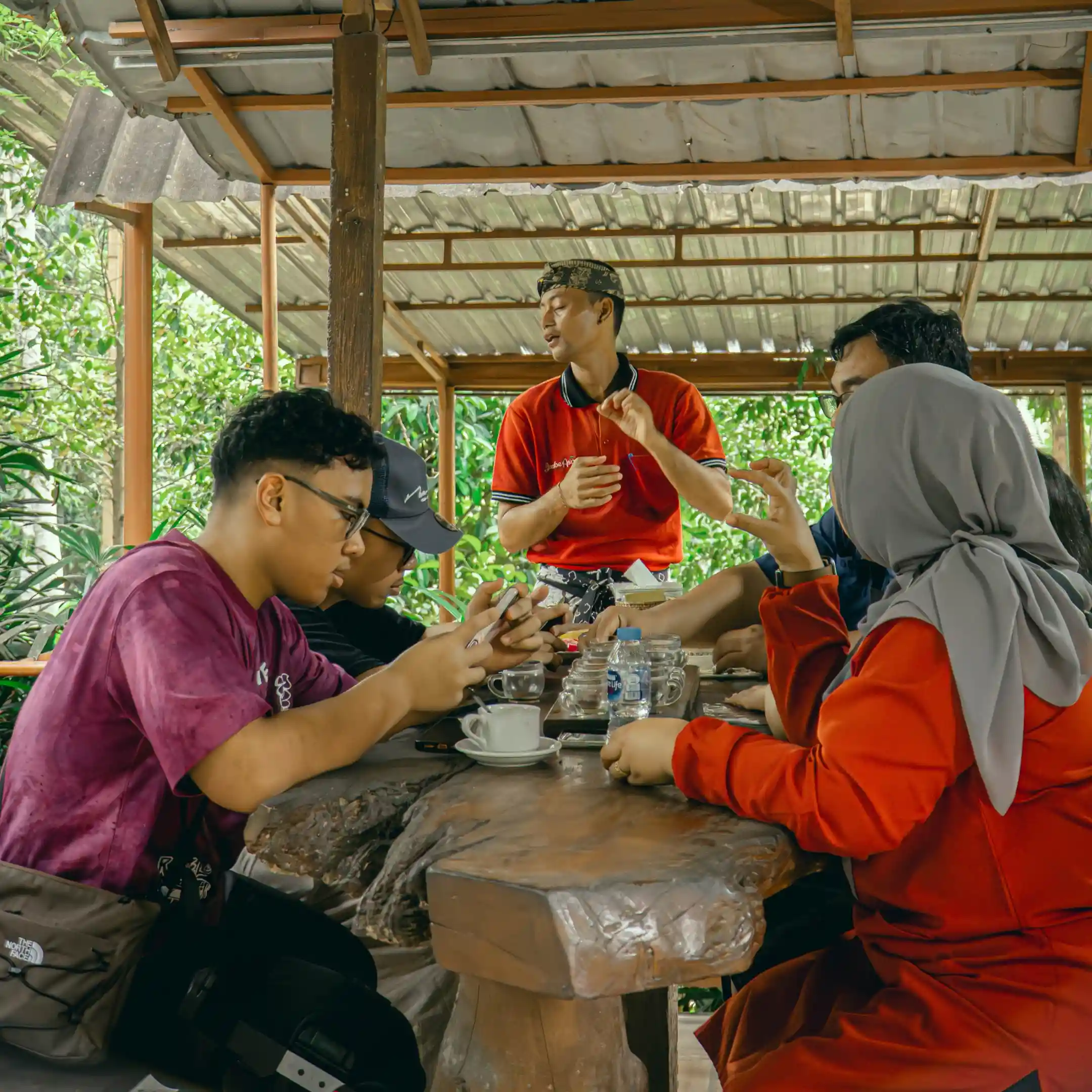
Bali is famous for beaches, temples, waterfalls, and rice terraces, but one of the island’s most enjoyable local experiences can be found in a quieter setting: a coffee plantation. For travelers visiting Bali for the first time, a coffee plantation visit is a relaxing way to discover the island’s agricultural side, taste local flavors, and learn how traditional Balinese coffee is made from bean to cup.
A Bali coffee plantation experience is not only about drinking coffee. It is about walking through a tropical garden, seeing coffee plants and local herbs, learning about roasting methods, tasting different drinks, and understanding how coffee connects to daily life in Bali. It is simple, educational, and easy to enjoy for almost every type of traveler.
One recommended place to experience this is Jambe Asri Agrotourism in Batubulan, Gianyar. Set in a peaceful plantation atmosphere, it offers visitors a chance to explore Bali’s coffee culture in a natural and welcoming environment. Travelers can learn about traditional coffee processing, sample Balinese coffee, try herbal teas, and discover the famous luwak coffee experience.
For first-time visitors, a coffee plantation is a great addition to a Bali itinerary because it does not require intense physical activity or complicated planning. It can be enjoyed as a short stop between destinations, a relaxing activity after an ATV adventure, or a light cultural experience before an evening performance or dinner. It is the kind of place where travelers can slow down, taste something local, and enjoy a softer side of Bali.
Why Coffee Plantation Experiences Are Popular in Bali
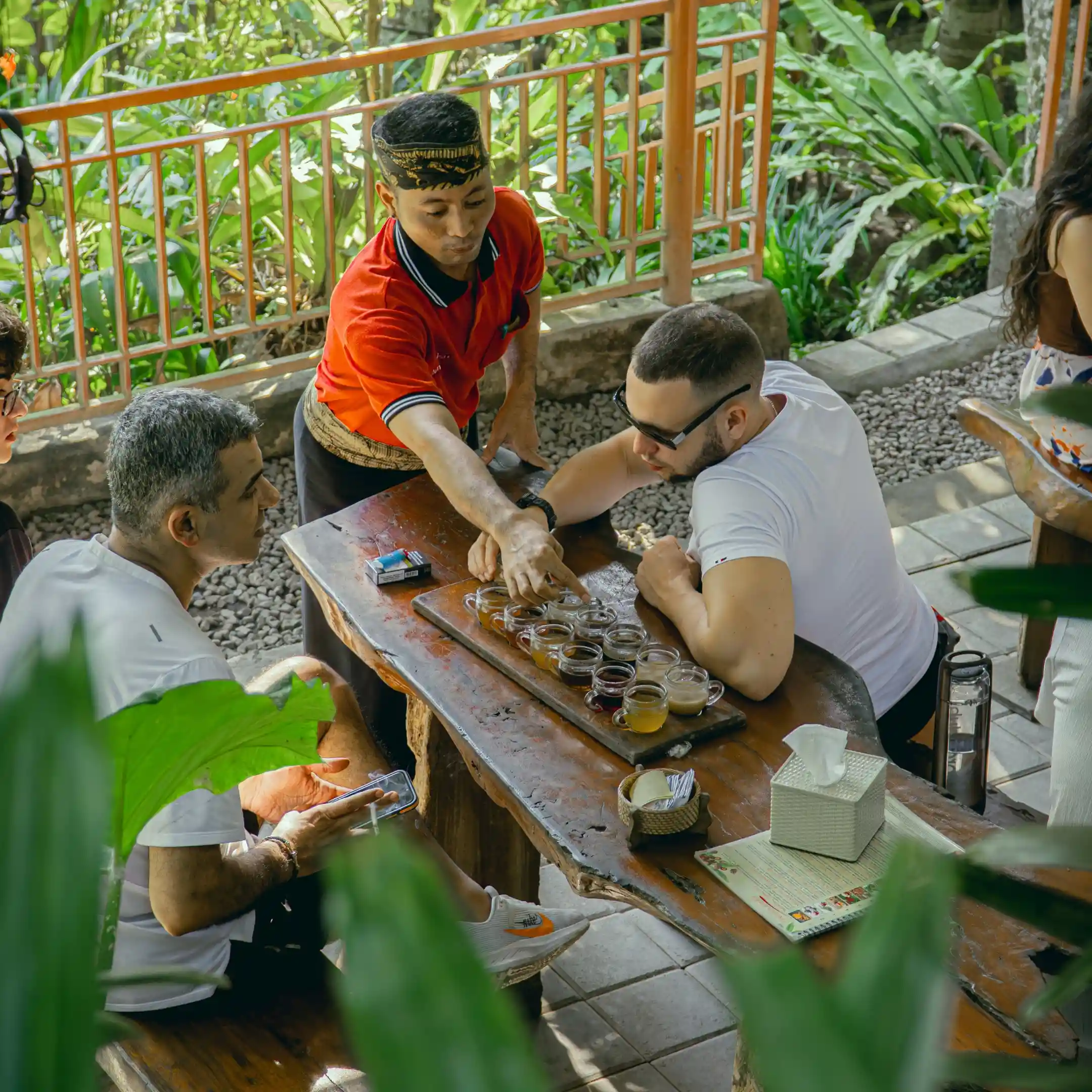
Coffee plantation visits have become popular in Bali because they offer something different from the island’s usual sightseeing activities. Instead of standing at a viewpoint or walking through a busy market, visitors get to experience Bali through taste, scent, and storytelling.
Bali has a long connection with agriculture. Rice, spices, fruits, herbs, cacao, and coffee are all part of the island’s natural richness. Visiting a plantation helps travelers understand that Bali’s beauty is not only found in its beaches or temples, but also in the land that supports local communities.
For international visitors, coffee tasting is also easy to enjoy. You do not need to be a coffee expert to appreciate the experience. The guide usually explains the process in a simple way, from how coffee beans grow to how they are roasted and prepared. Guests can then taste several drinks and discover which flavors they like best.
Another reason coffee plantations are popular is that they fit easily into many Bali routes. They can be combined with Ubud, Batubulan, Kintamani, waterfalls, temples, ATV rides, cultural performances, or dining experiences. The activity is usually not too long, making it ideal for travelers who want a meaningful but relaxed stop.
What to Expect from a Bali Coffee Plantation Visit
A Walk Through the Tropical Garden
A coffee plantation visit often begins with a walk through a garden or plantation area. This is where guests can see coffee plants, tropical trees, herbs, spices, and sometimes fruit plants growing in a natural environment.
The walk is usually calm and easy. A guide may introduce different plants and explain how they are used in local drinks, cooking, or traditional wellness practices. For visitors who enjoy nature, this part of the experience is refreshing because it feels slower and more personal than crowded tourist attractions.
At a place like Jambe Asri Agrotourism, the garden setting helps create a peaceful atmosphere. The greenery, shaded paths, and natural surroundings make the visit feel like a break from traffic and busy sightseeing schedules.
Learning About Coffee Plants
One of the most interesting parts of the experience is learning how coffee grows. Many travelers drink coffee every day, but not everyone has seen coffee cherries on the plant or understood how they become roasted beans.
Coffee plants produce small cherries that contain the beans inside. These cherries are harvested, processed, dried, roasted, ground, and finally brewed. Seeing the plants directly gives visitors a better appreciation for the work behind every cup.
In Bali, coffee is often grown in fertile volcanic soil, which helps create distinctive flavor characteristics. The island’s warm climate and highland areas also support coffee cultivation. While each plantation may have its own style, the general process gives travelers a good introduction to Bali’s agricultural traditions.
Traditional Roasting Demonstration
A traditional roasting demonstration is often one of the highlights of a coffee plantation visit. Instead of using modern machines, some plantations show visitors how coffee beans can be roasted in a more traditional way using a pan and fire.
This process is simple but fascinating to watch. The beans slowly change color, the aroma becomes stronger, and visitors can see how roasting affects the final flavor of the coffee. It is a reminder that coffee making is both practical and cultural.
The roasting demonstration also makes the experience more interactive. Instead of simply drinking the final product, guests get to see one of the important steps that gives coffee its taste and aroma.
Grinding and Brewing
After roasting, coffee beans are usually ground before brewing. Some plantations show traditional grinding methods, allowing visitors to see how coffee was prepared before modern equipment became common.
This part of the experience helps connect the drink to its process. Travelers can observe how roasted beans become coffee powder and how that powder is then used to make a cup of Balinese coffee.
The brewing style may be different from what international visitors are used to. Balinese coffee is often strong, earthy, and served with grounds settled at the bottom of the cup. For many travelers, trying this local style is part of the fun.
Luwak Coffee: What Travelers Should Know
What Is Luwak Coffee?
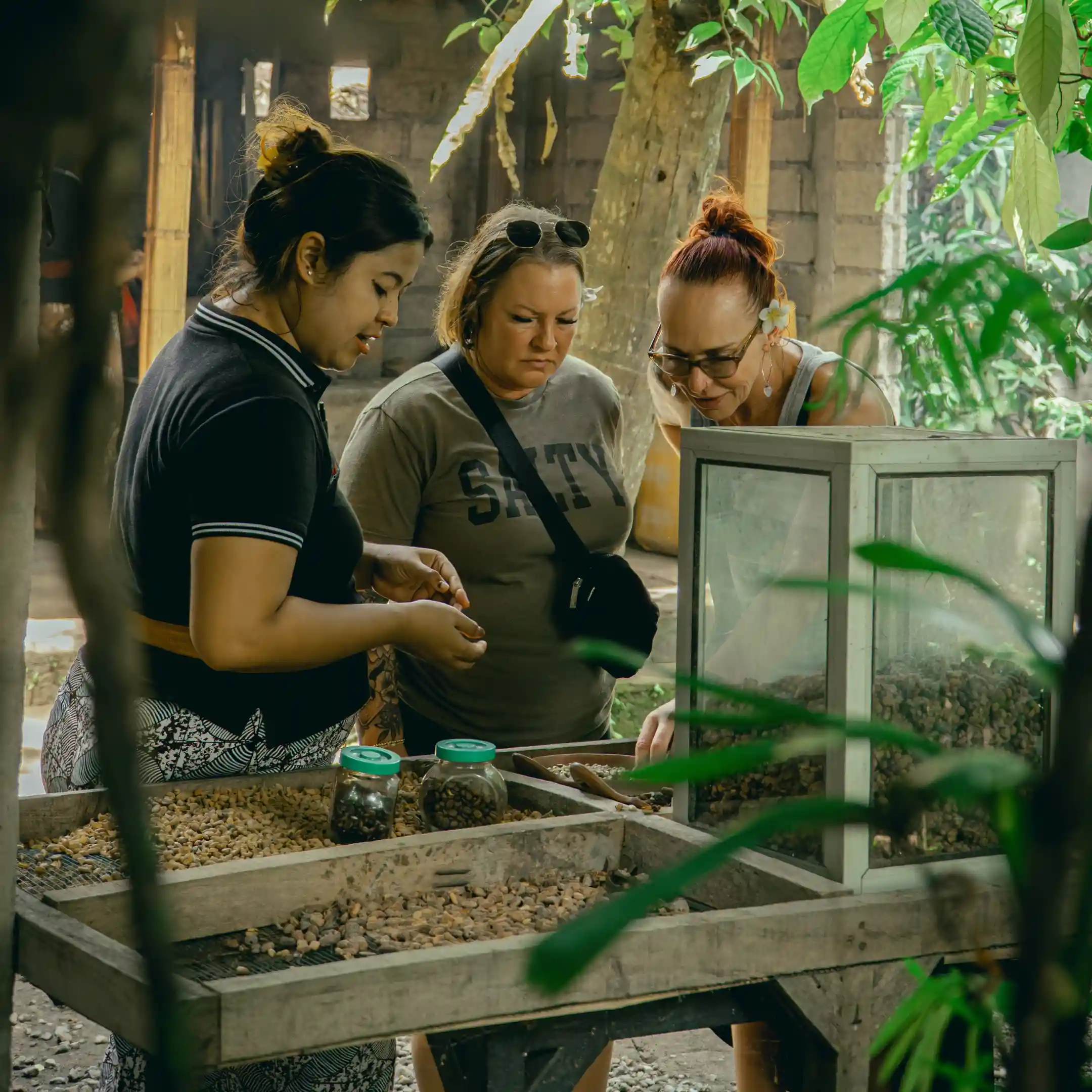
Luwak coffee is one of the most famous and talked-about coffee products in Indonesia. It is made from coffee beans that have passed through the digestive system of the Asian palm civet, locally known as luwak. The beans are collected, cleaned, roasted, and brewed.
The process is unusual, which is why many travelers are curious about it. Luwak coffee is often described as smooth, less bitter, and distinctive in flavor. Some visitors try it because they are coffee lovers, while others try it simply because it is a unique part of the Bali coffee experience.
Trying Luwak Coffee in Bali
At many coffee plantations, guests have the opportunity to taste luwak coffee as part of the visit or as an optional tasting. The experience allows travelers to compare it with regular Balinese coffee and decide whether they notice a difference in taste.
For first-time visitors, trying luwak coffee can be an interesting cultural and culinary experience. However, it is also important to be thoughtful. Travelers who care about animal welfare may want to ask how the coffee is sourced and whether the plantation follows responsible practices.
The best way to approach luwak coffee is with curiosity and awareness. It is part of the island’s tourism coffee culture, but visitors should feel comfortable asking questions and choosing whether or not to try it.
Herbal Tea and Local Drink Tasting
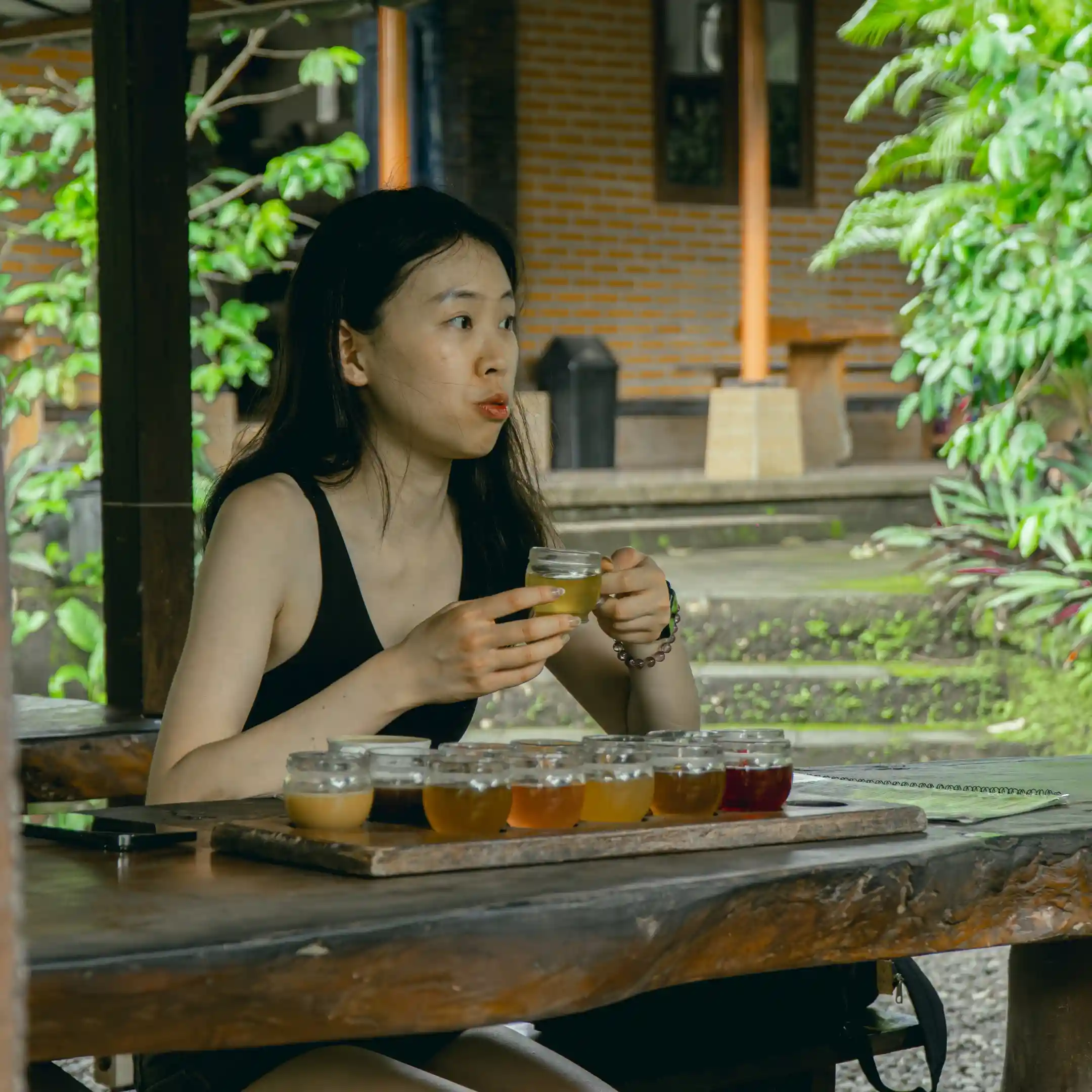
A Bali coffee plantation experience is not only for coffee drinkers. Many plantations also offer herbal tea tastings, which can be just as enjoyable. These drinks often include flavors such as ginger, lemongrass, rosella, turmeric, pandan, mangosteen, coconut, or other tropical ingredients.
Herbal tea tasting is especially good for families, non-coffee drinkers, or visitors who prefer lighter drinks. The tasting session usually includes several small cups, allowing guests to sample different flavors and discover their favorites.
This part of the experience highlights Bali’s wider agricultural richness. The island is full of plants used for traditional drinks, cooking, and wellness. Tasting herbal teas gives travelers a sense of how local ingredients can be transformed into comforting and flavorful beverages.
For many visitors, the tasting session becomes the most relaxing part of the visit. Sitting in a garden setting, trying different drinks, and enjoying the calm atmosphere is a simple but memorable Bali moment.
Jambe Asri Agrotourism as a Recommended Coffee Plantation Experience
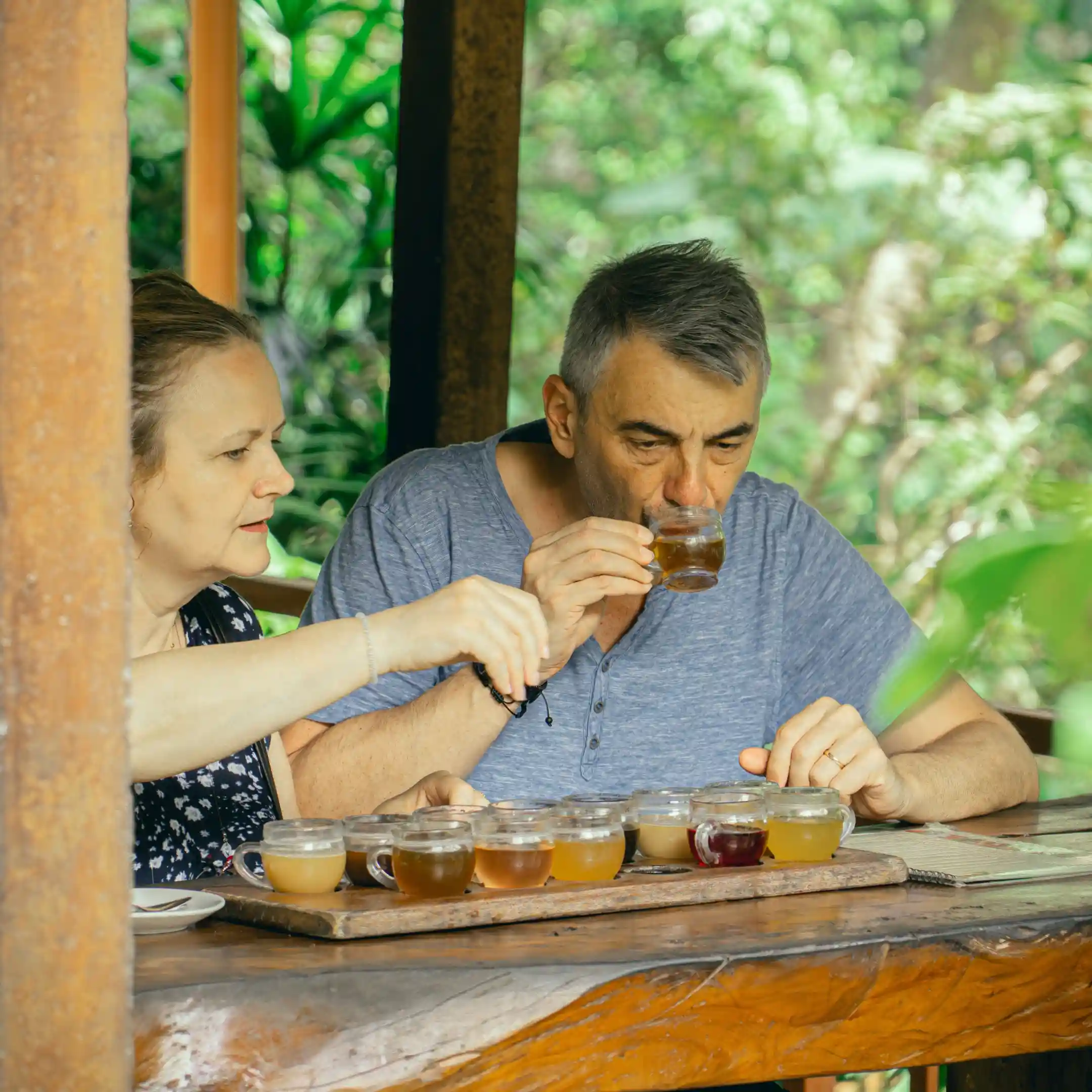
Jambe Asri Agrotourism is a strong recommendation for travelers looking for a coffee plantation experience in the Batubulan and Gianyar area. It works well as a standalone visit, but it is especially convenient for travelers who want to combine several experiences in one area.
The plantation offers a peaceful setting where visitors can learn about coffee, taste local drinks, and enjoy a natural garden atmosphere. Its location makes it easy to combine with nearby activities such as ATV riding, Kecak Dance at Puseh Temple Batubulan, craft village visits, waterfalls, or dinner at a local restaurant.
What makes Jambe Asri Agrotourism appealing is its balance. It is educational without feeling too formal, relaxing without being boring, and local without being difficult for international travelers to understand. The experience is easy to follow, making it suitable for couples, families, small groups, and first-time visitors to Bali.
For travelers who are not looking for a full-day tour but still want to add something meaningful to their itinerary, this kind of coffee plantation visit is a perfect choice.
Things to Do During a Coffee Plantation Visit
Taste Balinese Coffee
Trying Balinese coffee is the main reason many travelers visit a plantation. The flavor can be bold, rich, and earthy, offering a different experience from espresso-based coffee or lighter filter coffee styles.
Visitors can enjoy the taste while learning about how the beans are grown and prepared. For coffee lovers, this helps connect the cup to the land and process behind it.
Try Different Herbal Teas
Herbal tea tasting adds variety to the experience. Even guests who do not usually drink coffee can enjoy this part. The different colors, aromas, and flavors make the tasting session feel fun and approachable.
Learn About Traditional Coffee Making
Seeing the traditional process gives the visit educational value. Travelers can learn about harvesting, drying, roasting, grinding, and brewing in a simple and visual way.
Enjoy the Plantation Atmosphere
A coffee plantation is also a place to relax. Visitors can slow down, take photos, enjoy the greenery, and sit in a peaceful setting away from the busier tourist areas.
Shop for Local Coffee Products
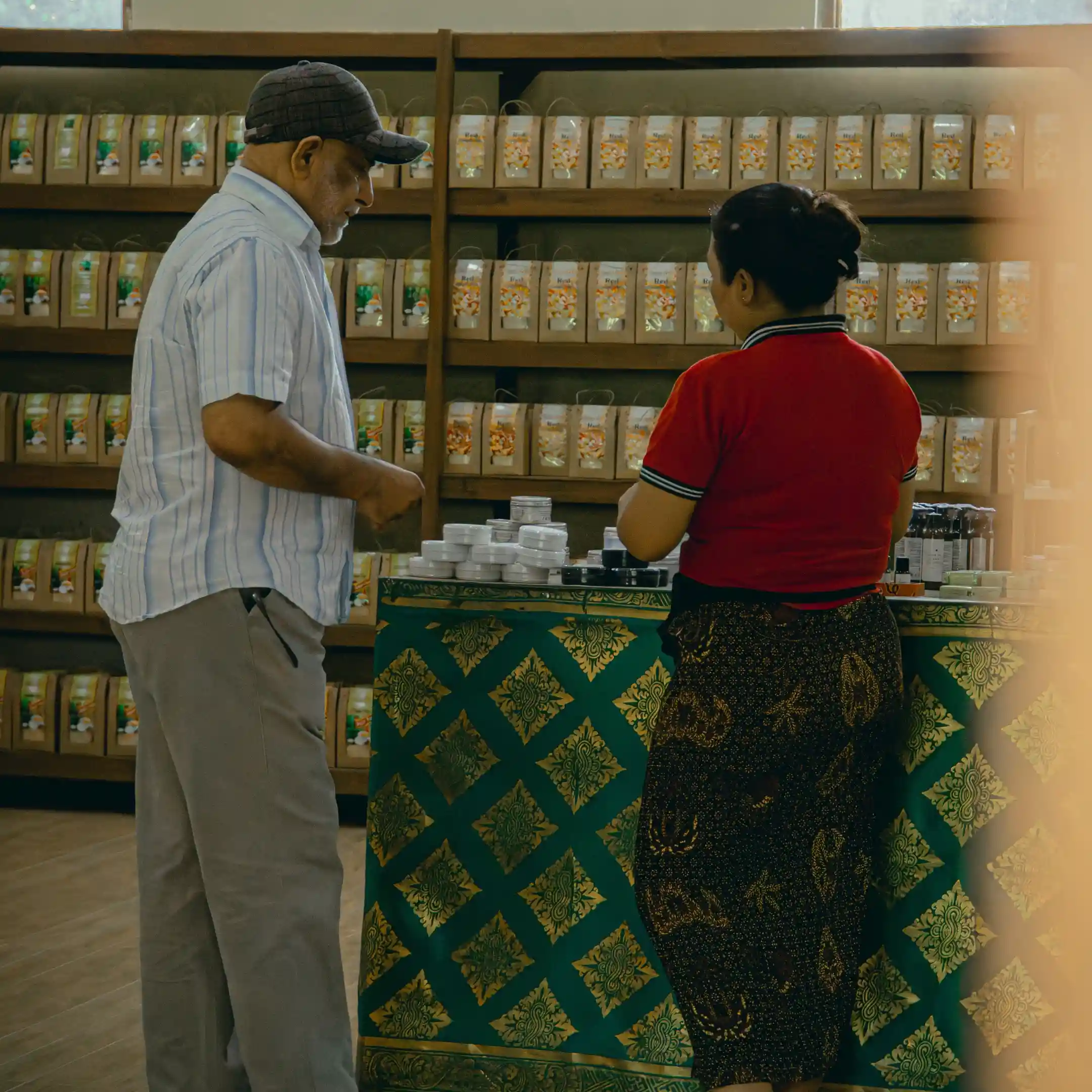
Many plantations offer packaged coffee, tea, spices, or local products for purchase. These can make practical souvenirs, especially for travelers who want to bring home flavors from Bali.
Best Time to Visit a Coffee Plantation in Bali
Coffee plantations in Bali can generally be visited throughout the year. Since the activity is not as weather-dependent as hiking or beach trips, it is a good option during both dry and rainy seasons.
The dry season, from April to October, is pleasant because outdoor walking areas are easier to enjoy. The weather is usually more comfortable, and visitors can combine the plantation with other outdoor activities.
During the rainy season, from November to March, a plantation visit can still be enjoyable. The gardens may look greener, and the rain can create a fresh tropical atmosphere. If rain occurs, the tasting session can still be done in a covered area depending on the setup.
For daily timing, morning or late afternoon is often best. Morning visits feel fresh and peaceful, while afternoon visits work well before an evening activity such as Kecak Dance or dinner. Midday is also possible, especially if the plantation has shaded seating.
Tips for Visiting a Bali Coffee Plantation
Wear comfortable clothing because most plantation visits involve walking through garden areas.
Choose comfortable shoes or sandals that can handle natural paths.
Bring a camera or phone, as the garden, coffee plants, and tasting setup can be photogenic.
Keep small cash for optional purchases, luwak coffee tasting, souvenirs, or tips.
Ask questions during the visit. Guides often explain the process better when guests show curiosity.
Try several drinks with an open mind. Some flavors may be different from what you usually drink, but that is part of the experience.
Be respectful when discussing luwak coffee. If animal welfare matters to you, ask about sourcing and choose based on your comfort level.
Do not rush the tasting session. The experience is best enjoyed slowly.
Combine the visit with nearby activities to make the day more efficient.
Suggested Half-Day Itinerary
Start your day with a visit to a nearby waterfall or traditional village in the Gianyar area. Continue to Jambe Asri Agrotourism for a coffee plantation walk, traditional roasting introduction, and tasting session.
After enjoying Balinese coffee, herbal tea, and luwak coffee, take some time to relax in the garden or shop for local coffee products. If you want a more complete day, continue with an ATV adventure nearby or save the evening for Kecak and Fire Dance at Puseh Temple Batubulan.
For a softer itinerary, combine the coffee plantation with lunch or dinner at a local restaurant. This is ideal for travelers who want a comfortable day with local flavor, culture, and light exploration.
Why First-Time Visitors Should Add a Coffee Plantation to Their Bali Itinerary
A coffee plantation may not be the first activity travelers think of when planning Bali, but it is one of the easiest ways to experience the island beyond the usual highlights. It gives visitors a closer look at local agriculture, traditional preparation methods, tropical plants, and everyday flavors.
For first-time visitors, this kind of experience helps balance the itinerary. After visiting beaches, temples, and waterfalls, a plantation offers something slower and more personal. It is also suitable for almost everyone, including couples, families, older travelers, and groups.
A coffee plantation visit is especially valuable because it engages the senses. You see the plants, smell the roasted beans, taste different drinks, and listen to stories about the process. This makes the experience feel more complete than simply stopping for a quick cup of coffee at a café.
A Bali coffee plantation experience is a simple but meaningful way to discover the island’s local flavors, agricultural traditions, and tropical charm. From walking through a peaceful garden to learning about traditional coffee making, tasting herbal teas, and trying luwak coffee, the experience offers a calm and enjoyable break from busier tourist activities.
For travelers looking for one of the best coffee plantation experiences in Bali, Jambe Asri Agrotourism is a recommended choice, especially for those exploring Batubulan, Gianyar, Ubud, or nearby cultural attractions. Its relaxed setting and educational approach make it easy for first-time visitors to enjoy.
Add a coffee plantation visit to your Bali itinerary if you want something light, local, and memorable. It may not be the loudest or most dramatic activity on the island, but it offers a warm and authentic taste of Bali that many travelers remember long after the trip ends.